Description
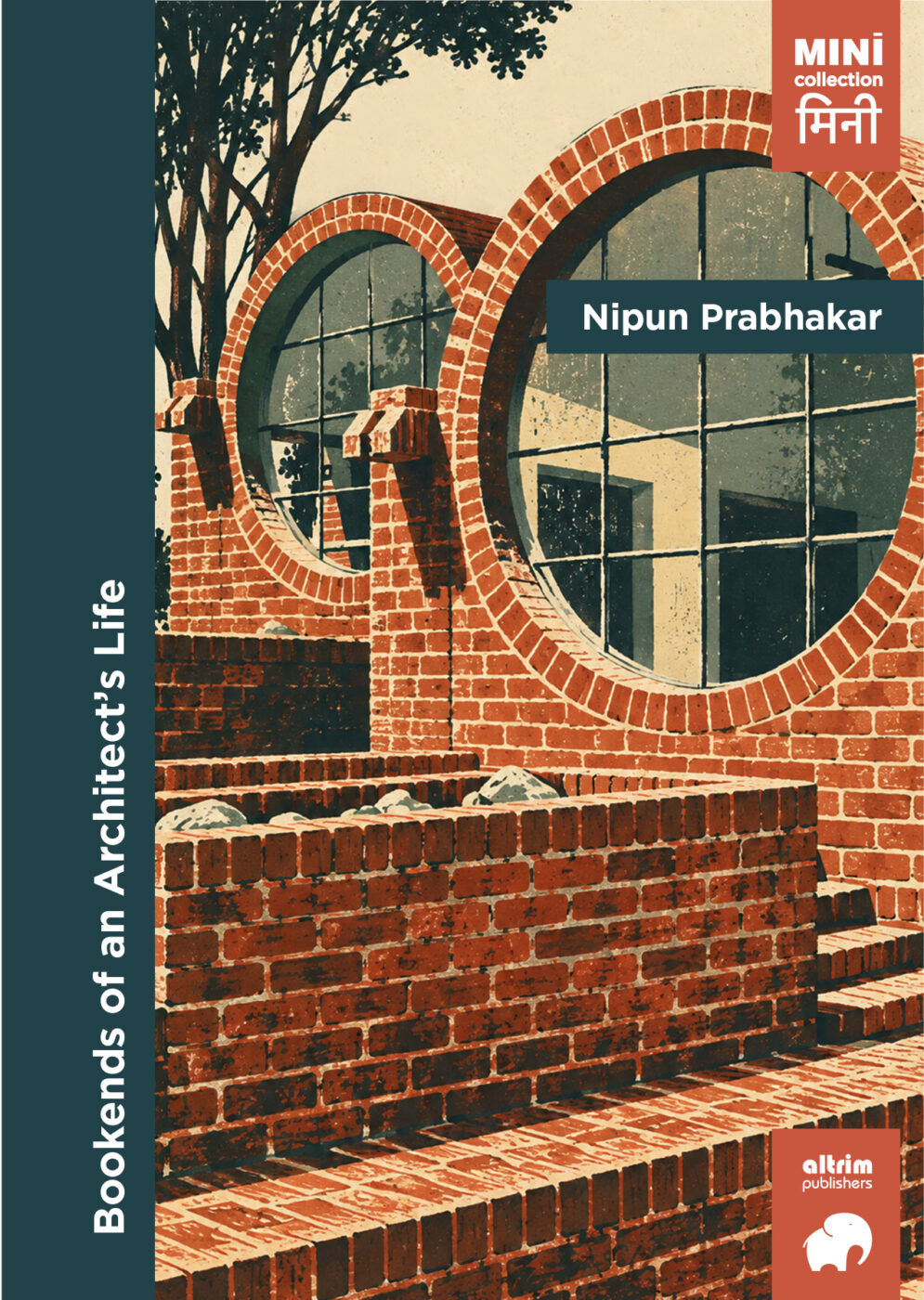
At 90, Carl Pruscha looks back on his life’s work and calls it a failure. Nipun Prabhakar is not too sure.
Across Nepal and Sri Lanka, Pruscha’s unique architecture reveals itself through what survived, what failed, what transformed, and through the people who have kept it alive. Prabhakar, tours a brick museum, climbs an abandoned hostel, eats inside a house built for the architect’s family, sleeps in a bungalow raised above the ground, and stands in a school rebuilt after a tsunami to piece together Pruscha’s illustrious life and architectural practice.
About the authors
Nipun Prabhakar is an independent photographer, journalist and architect based in India, working at the intersection of documentary storytelling and the built environment across South Asia. Trained as an architect, he brings a builder’s sense of space to his reporting on craft traditions, climate, and the ways communities shape and inhabit the places they build.
His photographs and essays have appeared in The New York Times, The Washington Post, Wallpaper*, The Architectural Review, Architectural Digest, Rest of World, Bloomberg Businessweek, and the People’s Archive of Rural India, among other publications. He has collaborated with institutions including MIT, Cornell University, the Institute of Development Studies (UK), Oxford Brooks, and the Aga Khan Trust for Culture, and is the founder of Dhammada Collective, a design practice devoted to community architecture, participatory
design, and natural, circular construction.
Prabhakar’s long engagement with Kathmandu—from the Doors of Kathmandu project, for which he was Cornell University’s South Asia Program Fellow (2019–20), to his writing on Pruscha’s Taragaon Museum—drew him to the work of Carl Pruscha.
A speaker at the RIBA’s Architecture Photography Festival (2023) and a member of Diversify Photo, he is also a recipient of the SAJA, Eddie, and SOPA awards (2025).
About MINĪ
MINĪ – Stories of Art, Architecture & Style
MINĪ is a new collection of small, finely crafted books exploring the larger world or art, architecture and design. Each volume is a standalone extended essay that offers a fresh way of seeing and imagining our larger world.
Born in Barcelona and rooted in Chandigarh, India, Altrim celebrates this cultural exchange through MINĪ, original essays from voices across the globe.
Elegant, distinctive, and evocative, MINĪ offers a literary journey where imagination and design meet on every page.